You may also like

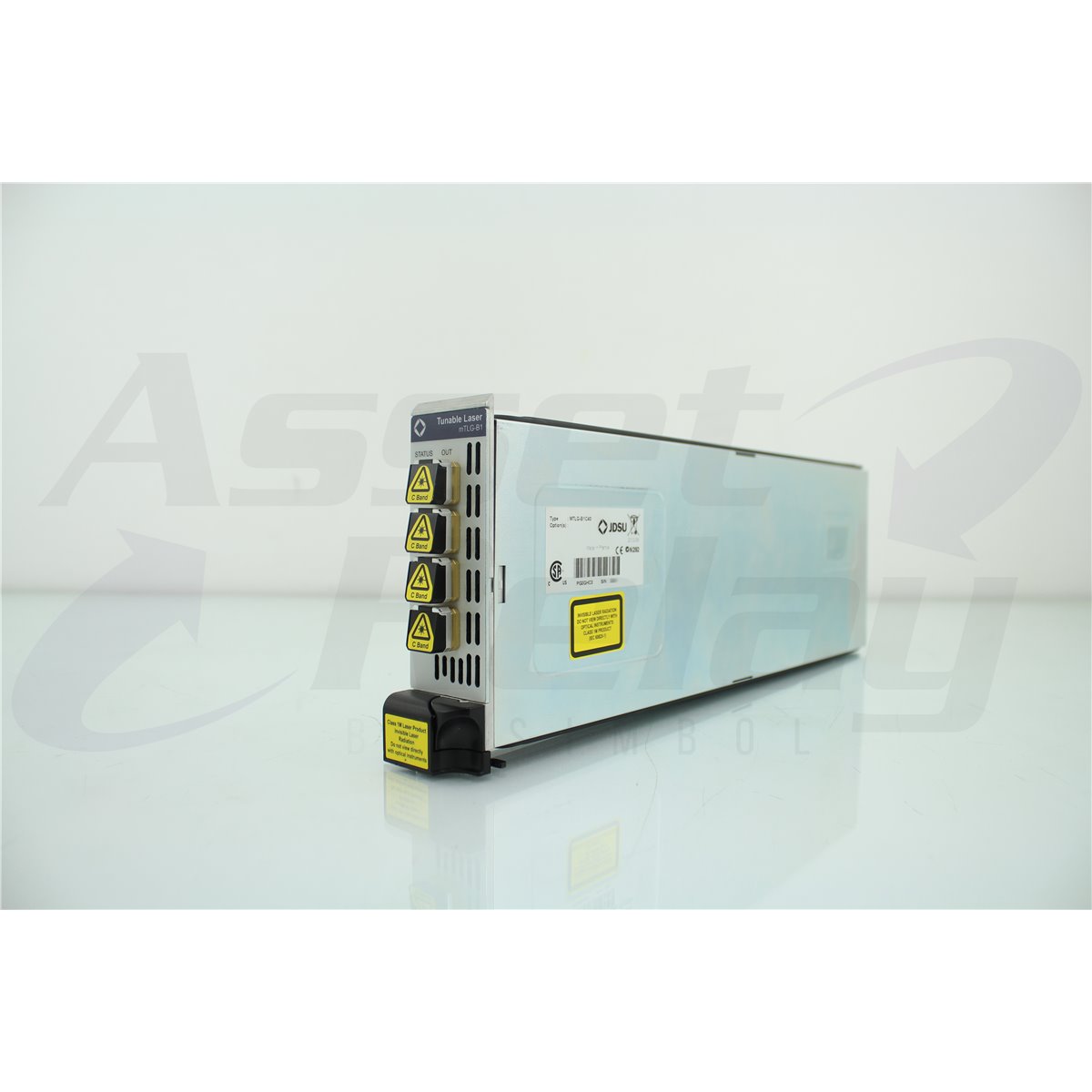
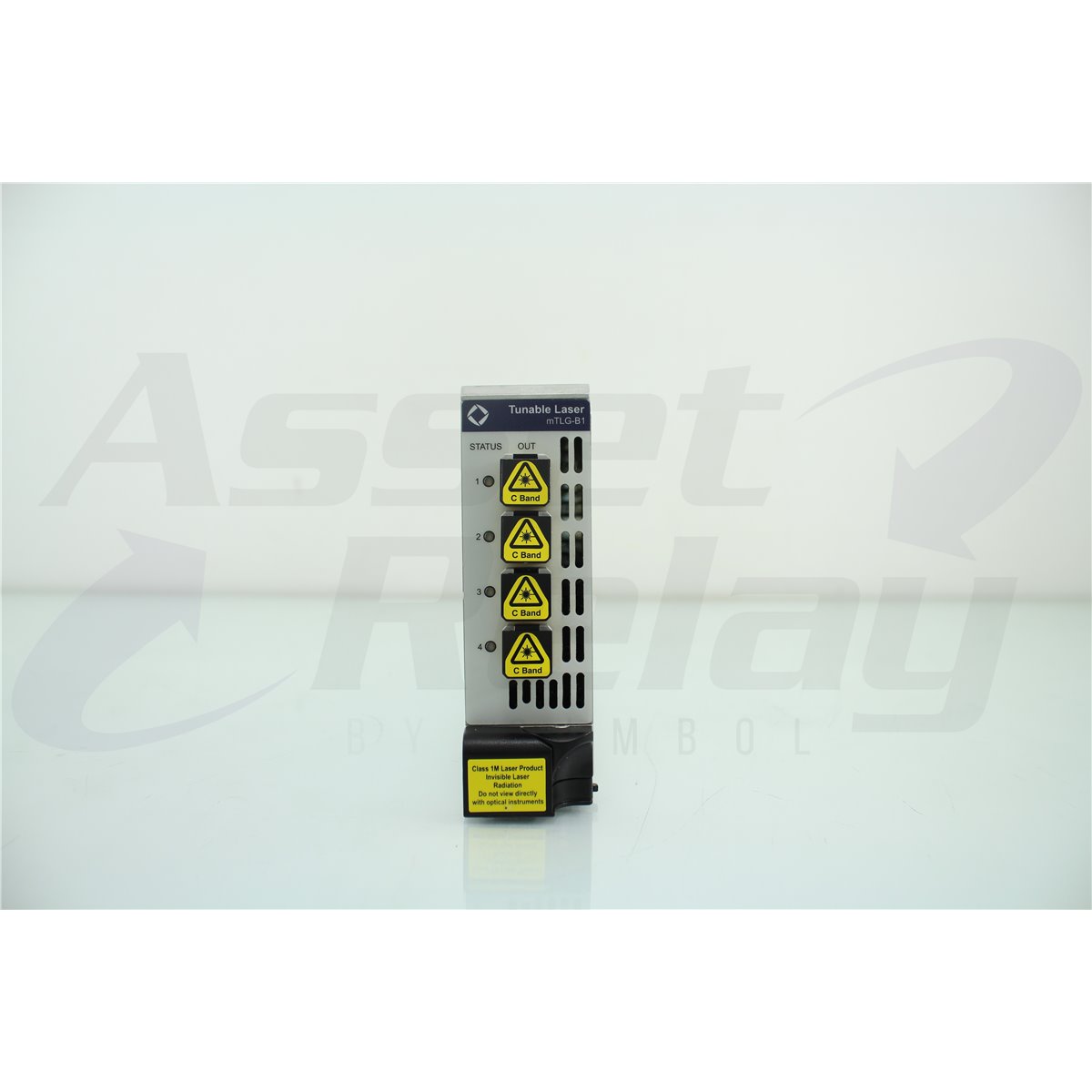
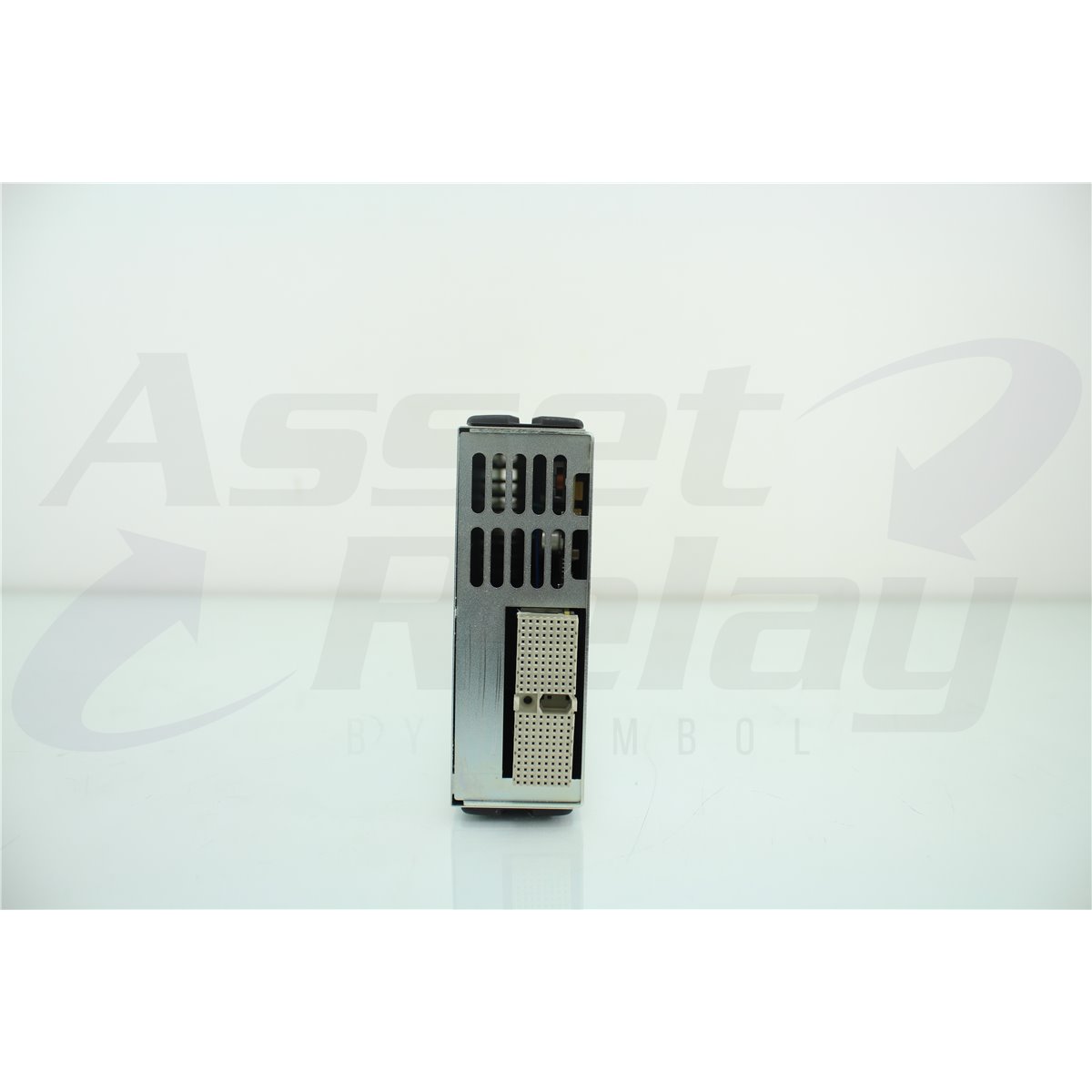
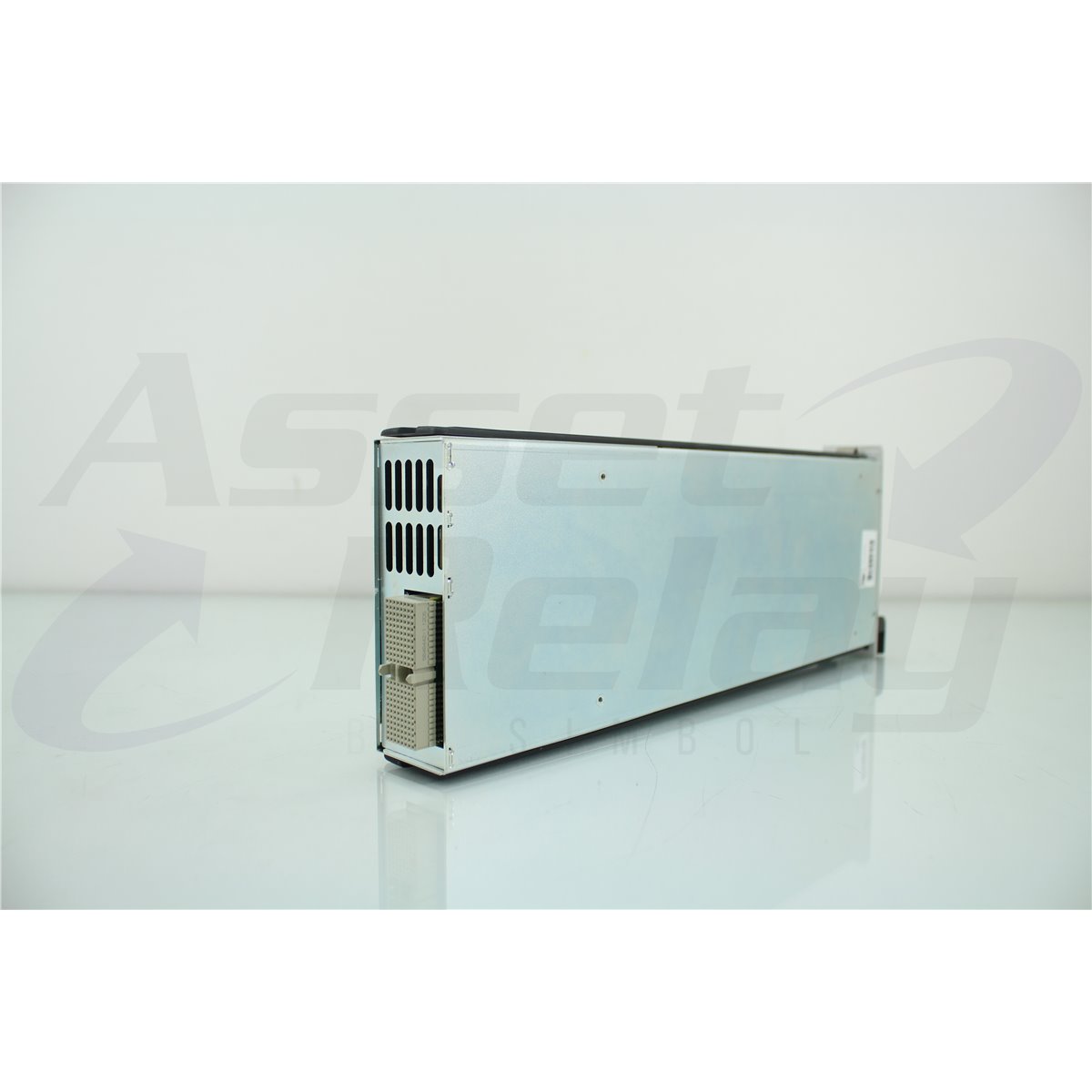
JDSU MTLG-B1C40 4 Channel C Band Tunable Laser Source DWDM Fiber Tester

The JDSU MTLG-B1C40 is a four-channel tunable laser source instrument designed for multi-wavelength signal generation and power analysis in C-band DWDM fiber optic networks. It supports independent tuning across the full ITU-T C-band grid with high wavelength accuracy, stable output power, narrow linewidth, and low relative intensity noise, enabling accurate DWDM system verification, optical component testing, and multi-channel transmission simulation. With its modular MAP-200 platform integration, it delivers efficient, repeatable, and high-throughput testing for advanced telecommunications, ROADM characterization, and optical network qualification applications, providing engineers with a flexible and scalable solution for both manufacturing and R&D environments.
Read moreShow less
USD $4,999.00
5 1
,
5/ 5
Yes, we have 3 in stock
Condition
Used
Reference:
MTLG-B1C40
Brand:
Description

JDSU MTLG-B1C40 4 Channel C Band Tunable Laser Source DWDM Fiber Tester: Four Independent C-Band Lasers in One Compact Platform

The JDSU MTLG-B1C40 4 Channel C Band Tunable Laser Source DWDM Fiber Tester packs four independently tunable C-band laser sources into a single instrument, giving engineers a fast way to simulate multi-channel DWDM traffic, characterize passive components, and stress-test transponders. Each channel covers the full ITU C-band grid with calibrated power and wavelength, making it well-suited for component manufacturers, system integrators, and optical R&D labs.

Key Features and Benefits of the JDSU MTLG-B1C40 4 Channel C Band Tunable Laser Source DWDM Fiber Tester

  • Four independent tunable channels — Generates a four-wavelength DWDM signal from one chassis, eliminating the need to rack up four separate laser sources.
  • Full C-band coverage (1527.6–1565.5 nm) — Tunes across the entire ITU C-band on 50 GHz and 100 GHz grids, so every standard DWDM channel is reachable.
  • +13 dBm output power per channel — High launch power supports loss-budget testing on long fiber spans and lossy passive networks without external amplification.
  • 1 pm wavelength setting resolution — Fine tuning steps allow detailed sweeps across filter passbands and AWG channel shapes.
  • Low linewidth output — Narrow spectral width is suitable for coherent system testing and high-resolution component characterization.
  • SCPI-compatible remote control — Integrates directly into automated production test scripts written in LabVIEW, Python, or TestStand.
  • Front-panel keypad and display — Manual operation is straightforward for bench work, with each channel's wavelength and power visible at once.
  • Standard rack-mount form factor — Fits cleanly into 19-inch test racks for permanent installation in manufacturing or characterization stations.

Advanced Capabilities

The MTLG-B1C40's four-channel design is built around independent laser engines rather than a single laser split four ways. Each channel can be tuned, powered, and modulated separately, which means you can build asymmetric test scenarios — for example, three channels parked at high power to load an EDFA while the fourth sweeps across a filter passband. That flexibility is hard to replicate with single-channel sources daisy-chained through couplers, where insertion loss and crosstalk quickly become limiting factors.

The instrument's wavelength stability also matters for long-duration tests. C-band tunable sources drift with temperature and aging, and a few picometers of wander can corrupt sensitivity measurements on narrow-passband components. The MTLG-B1C40 holds each channel to tight stability specifications, which makes it a practical choice for overnight burn-in runs, temperature-chamber characterization, and any test where the measurement itself takes longer than a quick spot check.

Calibration and Quality Assurance

Every JDSU MTLG-B1C40 is calibrated prior to shipping to OEM specifications. The order includes a Calibration Certificate, Calibration Label, and full Calibration Data. This means the instrument arrives traceable, audit-ready, and ready to use straight out of the box — no need to schedule a calibration cycle before putting it into service.

Specifications

SpecificationValue
Number of Channels4 (independent tunable lasers)
Wavelength BandC-band
Wavelength Range1527.6 nm to 1565.5 nm
ITU Grid Support50 GHz and 100 GHz
Wavelength Setting Resolution1 pm
Wavelength Accuracy±10 pm
Wavelength Stability±2.5 pm (typical, over 24 hours)
Output Power per ChannelUp to +13 dBm
Power Setting Resolution0.01 dB
Power Stability±0.05 dB (typical, over 24 hours)
Side-Mode Suppression Ratio= 40 dB
LinewidthNarrow (sub-MHz class, typical)
Output Fiber TypeSingle-mode, 9/125 µm, PM optional
Optical ConnectorsFC/APC (per channel)
Remote InterfacesGPIB (IEEE-488), RS-232, Ethernet
Front PanelKeypad with LCD display
Form Factor19-inch rack-mountable
Power Requirements100–240 VAC, 50/60 Hz
Operating Temperature10 °C to 35 °C
Storage Temperature-20 °C to 60 °C
Humidity= 80% RH, non-condensing
Read moreShow less
Product Details
MTLG-B1C40
Terms and Conditions

Settings

Click for more products.
No products were found.

Menu

Cookie consent